Posts tagged transitions
How a Fantastic Conference Taught Me More About Virtual Organizing

Recently, I returned from the Institute for Challenging Disorganization’s (ICD) conference, held in Canada this year. Colleagues from around the globe gathered to learn, connect, and explore the latest ideas and research related to neurodivergence and people affected by chronic disorganization.

The conference covered a fascinating range of topics, including ADHD, decision-making, navigating life transitions, clutter, emotional labor, hoarding disorder, motivational interviewing, and communication.

I was thrilled to be part of the panel, “Cultivating Connection: Best Practices for Communication with Neurodivergent Clients,” alongside my wonderful colleagues. Sara Skillen moderated, and Leslie Josel and Elizabeth Brink were the other panelists.

Whenever I’m learning, I have one goal: to learn at least one new thing, discover one new resource, or deepen my connection with something I already know. Honestly, with that simple goal, I consistently come away with far more than one thing.

The ICD conference was no exception.

I’m excited to share some of my takeaways and how they expanded my thinking, reinforced what I already know, and will influence the virtual organizing work I do with clients.


What Expanded My Thinking About Virtual Organizing

Emotional Labor

In “The Art of the Invisible: Helping Neurodiverse Families Navigate the Emotional Labor Lifecycle,” presenters Regina Lark, PhD, CPO®, CPO-CD® and Leslie Josel, PCC, discussed how emotional labor, which is mostly invisible and disproportionately handled by moms, is “the exhausting work” and the “cognitive management of household systems.”

Navigating emotional labor, work that never ends, requires executive function (EF) skills found that rely heavily on the prefrontal cortex. These skills include:

  • Planning

  • Focusing

  • Remembering instructions

  • Juggling multiple tasks

  • Managing emotions

  • Working memory

  • Organizing

However, as many of my clients have experienced, EF skills can be especially challenging if you are highly stressed, have prefrontal cortex damage, or have conditions such as ADHD, autism, dyslexia, dyspraxia, or Tourette’s syndrome.

One of the biggest takeaways was distributing the emotional load through “radical delegation. Take perfection off the table. Delegate to someone else, even if they aren’t good at it.  Go for “good enough.”

This made me think differently about virtual organizing. When we work together, we’re not only organizing possessions or creating systems. We’re also considering the mental load behind those systems. What decisions are constantly being made? What is someone trying to remember? What are they managing for themselves or others? And what might be possible to let go of, share, or accept as “good enough”?


Life Transitions

We experience many life transitions. Professor and researcher Dr. Michelle Pannor Silver focused on four in her presentation, “Unpacking Identity: Navigating Later Life Transitions for Those with Organizational Challenges.” She discussed retirement, menopause, clutter, and prioritizing physical resilience.

Much of my work involves helping clients navigate transitions such as moving, starting a new job, divorce, birth, losing a loved one, and other life changes like those Dr. Silver discussed.

One takeaway came from the retirement section. Since our identities are often tied to our work, figuring out what comes next takes thought. Silver stressed the importance of creating “time and mental space to imagine retirement.” It’s not just about getting your finances in order. Take time to envision how you want your post-work life to feel and what you want it to be like. Include “sparking joy” activities.

Another idea that resonated was “recalibrating after loss.” In later years, loss can arrive in many forms, including changes in work status, moving from a familiar environment, changes in physical or cognitive abilities, and the loss of loved ones.

I am thinking differently about virtual organizing in the context of reimagining and recalibrating life. We go through periods when the organizational systems or patterns that used to work suddenly become ineffective. They no longer support who we are now. Virtual organizing sessions can be a wonderful way to work through these shifts and create systems and schedules that support who you are now.


“Decision-making is at the center of everything. It is a core part of being human.”
— Elizabeth Brink, PCC, PCNC®, SEP®


What Reinforced What I Already Know About Virtual Organizing

ADHD

Ari Tuckman, PsyD, MBA, presented “ADHD Can Make Organizing Psychologically Messy.” He emphasized that the ADHD challenge is “not the knowing, but the doing.” Challenges with activation, attention regulation, perfectionism, and time management can make it harder to start. You might know what to do, but these obstacles can make it harder to get things done.

One question Tuckman suggested was, “What’s a realistic, sustainable goal that you’ll allow yourself to feel good about?” Emphasizing “realistic” and “sustainable” is central to my work with clients.

Tuckman shared many strategies that reinforced the tools and concepts I use with clients. They included:

  • Time – Use analog clocks, alarms, and schedules to build time awareness and make time more visible.

  • Fun – Make tasks less boring and more enjoyable through gamification or a playful spin.

  • Clarify – Ask, “How important is ‘this’ relative to everything else?”

  • Momentum – Do a “bit of something,” and always “hope for momentum.”

  • Experiment – “Be willing to flounder, and be confused.”

  • Decision-Making – If you are having difficulty choosing, flip a coin. It can clarify what you really want.

  • Perfectionism – Focus on “good enough.”

These strategies reflect what I see every day in virtual organizing: knowing what to do and being able to do it aren’t always the same. Virtual organizing sessions can help clients identify what gets in the way, experiment with different approaches, and find strategies that are realistic and sustainable for them.


Decision-Making

Elizabeth Brink, PCC, PCNC®, SEP®, a neurodivergent-centered coach, educator, and trainer, presented “Decision-Making: Neurodivergence, Trauma, and Chronic Disorganization.” Brink stated, “Decision-making is at the center of everything. It is a core part of being human.”

Brink went on to say that “Decision-making is a special kind of hard for neurodivergent humans.” She also said that for neurodivergent people, “Overwhelm is a reasonable response to decision-making.”

When Brink said, “It’s a big deal how to help people make decisions,” I recognized how central nurturing decision-making skills and building agency are to my virtual organizing work. People reach out to me when they feel overwhelmed, and much of that overwhelm comes from difficulty making decisions.

Decision-making skills can be learned. Brink featured several skill-building strategies that align with how I support my clients in making decisions. They include:

  • Empathy – Understand and appreciate what they may be feeling or experiencing, without judgment.

  • Demystify – Learn how they make decisions, what’s worked well for them in the past, the process they’ve used, and how we can tweak or apply that process to current choices.

  • Capacity – Be mindful of their capacity at that moment, normalize pauses, take breaks to avoid decision fatigue, and encourage a slower pace when needed.


Always Be Learning

Every conference leaves me with something to think about, but this one reminded me why I value learning so much. Sometimes a new idea changes how I approach my work. Other times, it gives me language for what I already know and see in my work with clients. Both are valuable.

I’m excited to bring these insights into my virtual organizing sessions and stay curious, experiment, and learn alongside my clients.


How Can I Help?

Do you feel overwhelmed, stuck, or disorganized? You don’t have to face it alone. I’m here to help! Get unstuck and make progress. Virtual organizing is an extraordinary path forward—with a local feel and a global reach.

Let’s talk! I’m easy to reach.

Getting organized, making progress, and reaching your goals are doable, especially with support.


Did You Know That Taking Breaks Is Key to Better Time Management?

When you think about managing your time, how often is it about being more productive, reaching those big goals, or getting more items crossed off your to-do list today? You wonder how other people get so much done. You’re frustrated that you’re constantly working, yet your lists and goals feel hard to finish or even to start.

After all, there are only 24 hours in a day. For most of us, at least six to eight of those hours are devoted to sleep. Subtract time for eating, transitions, bio breaks, managing distractions, and handling the unexpected, and your available time to get things done is significantly reduced.

I remember my mom used to get annoyed about having to sleep. She would say, “We sleep a third of our lives away. Sleeping is a waste of time.” I never bought into the idea that sleep was a waste. Instead, I saw her words as reflecting her intense need to make the most of every moment.

I’m all for making the most of the time I have. Time is finite and a precious resource. However, one of the best ways to manage your time better is to take intentional breaks. Sleep is one aspect, but taking breaks while awake is just as essential.


What Types of Breaks Will Help You Be a Better Time Manager?

I know I’m stating the obvious, but you need energy and focus to get things done. Working longer or beyond capacity doesn’t help. You’ve probably reached the point of diminishing returns. You know those nights. You’re exhausted, pushing to finish that spreadsheet, dealing with a sink full of dishes, packing for a trip, or writing one more email response.

However, understanding the benefits of taking breaks and integrating them into your life will help.

It’s more than ‘will help.’ Taking breaks is essential not only for energy, focus, and getting things done but also for your overall well-being. Life isn’t only about doing more. It’s about stepping away for short, medium, or longer breaks.

What can these mid-size breaks look like? Let’s review some options to help you better manage your time. These pauses are about giving you time to recover so you can return to ‘the work’ refreshed, recharged, and energized.


1. Short Breaks

You might be thinking, “I’m so busy that I barely have time for a bio break, let alone any other break.” Believe me, I get it. You are not alone in feeling overwhelmed by the pace of life.

However, it is possible to integrate several short breaks into your day. If “short” feels too long, reframe it as a micro-break.

These tiny resets can be taken a few times a day and may include:

  • Close your eyes and take several slow breaths in and out.

  • Stand up and shake out your body.

  • Send a quick email or text to someone you love.

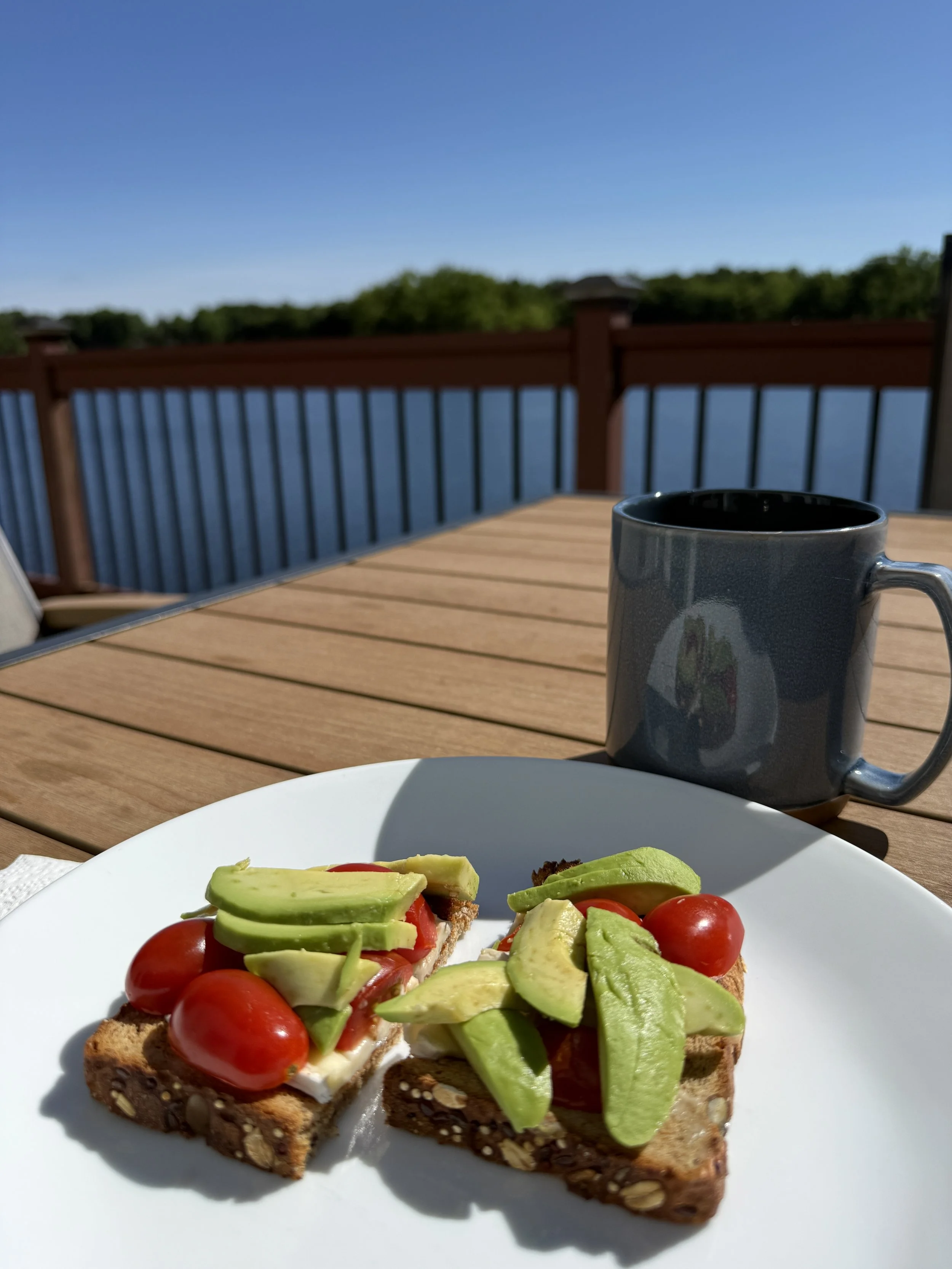
  • Enjoy a few leisurely sips of coffee or iced tea.

  • Eat a snack.

  • Doodle on a sheet of paper.

  • Go outside for fresh air.

  • Take a walk around the office or the block.

  • Roll your shoulders forward and backward.

  • Dance or sing loudly to a favorite song.

  • Take a few deep, loud sighs.

  • Splash cold water on your face.

  • Sit and do nothing for a few minutes.

  • Meditate for 1 to 5 minutes. Insight Timer offers many excellent options.

What else could work well for your micro-break?


“Life isn’t only about doing more.”
— Linda Samuels, CPO-CD®, CVOP™

2. Medium Breaks

Those mini breaks are wonderful, but at times you will benefit from something longer. If you can carve out more than 5 minutes, a medium break is beneficial. While micro-breaks can be impromptu, a medium break might require some advance planning.

Here are some recharge ideas for breaks ranging from 20 minutes to several hours:

  • Take a 20-minute nap.

  • Go to the movies.

  • Take a walk in nature.

  • Meet a friend for lunch.

  • Explore a museum, garden, or town.

  • Get a massage.

  • Meditate for 30 minutes.

  • Write in your journal.

  • Call a loved one.

  • Go to the pool or the beach.

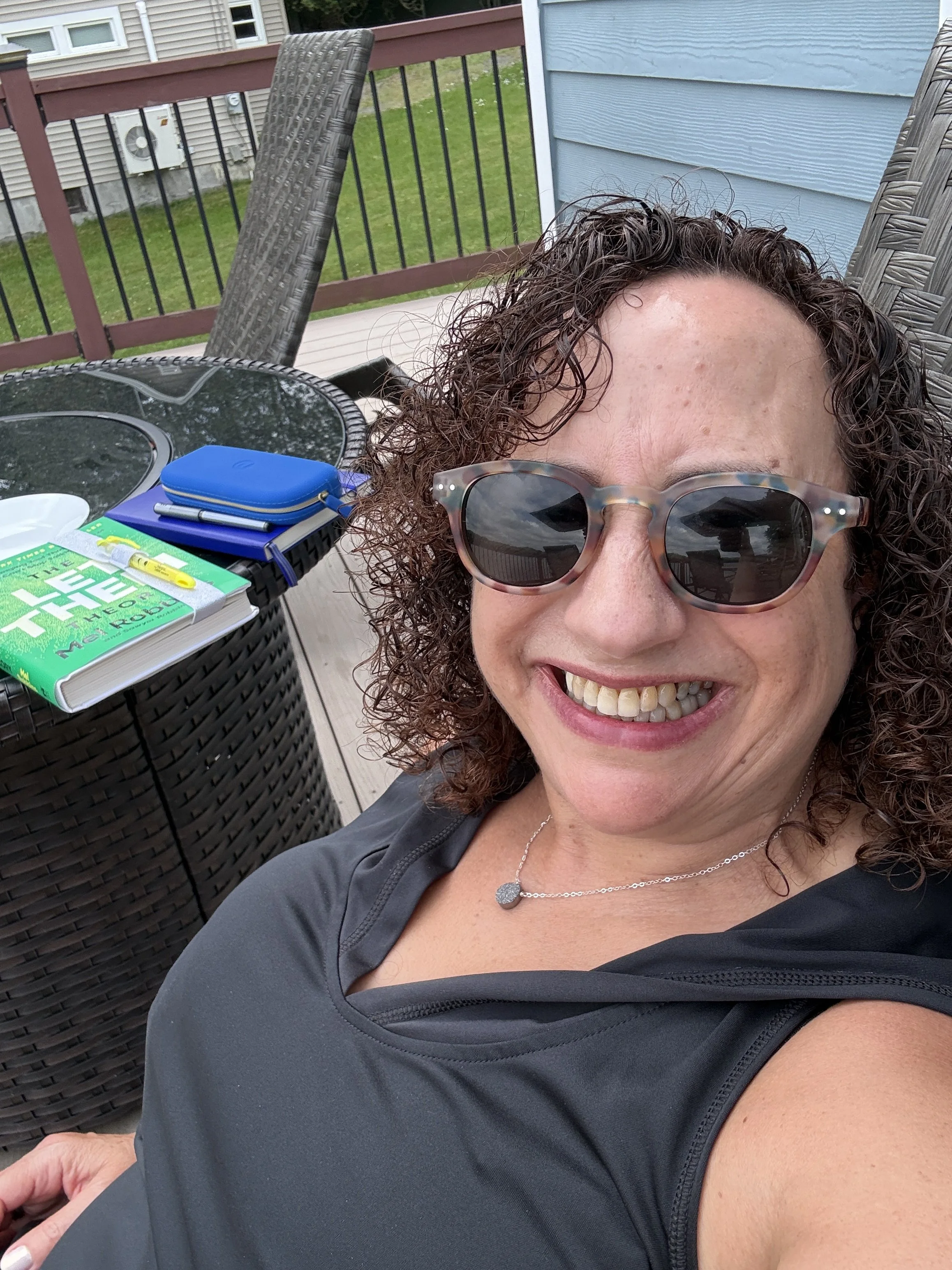
  • Read a book (or a portion of one).

  • Spend time in a hammock.

  • Go for a bike ride.

  • Make something with your hands.

  • Daydream.

  • Take a yoga class.

What other types of medium breaks could benefit you?


3. Long Breaks

Full disclosure here. Today I took a micro break (meditated) and a medium break (walked by the river). I also just returned from a long break, a family vacation in the Finger Lakes. I have to say, as much as I need my shorter breaks regularly, the extended ones are just as vital. They can be more challenging to take because of the expense or limited time.

Yet, going somewhere for several days (if possible) and stepping away from your regular routines and responsibilities is one of the best ways to recharge. You will return refreshed, more focused, and ready to re-engage with your projects and lists.

It also gives you time to float, think, catch up on sleep, connect with family and friends, or simply do nothing. But a long break doesn’t have to mean only getting away.

Here are some long-break ideas when you have more than 24 hours:

  • Take a staycation and stick to fun or relaxing activities.

  • Take a personal retreat focused on rest and reflection.

  • Unplug for several days.

  • Learn a new skill just for fun.

  • Create a home retreat with no obligations, errands, or projects.

  • Go away for the weekend, or extend it to a long weekend.

  • Vacation somewhere you have to fly to.

  • Travel to somewhere on your bucket list.

  • Check into a spa or wellness retreat.

  • Go camping or glamping.

  • Vacation somewhere reachable by car.

  • Take a biking, kayaking, or boating trip.

  • Spend an extended visit with loved ones.

What have you enjoyed most during your long breaks?


Are You Ready to Give Yourself the Breaks You Deserve?

Busy is how many of you describe your lives. There’s nothing inherently wrong with a full life. But make sure you also take a variety of intentional breaks. Breaks are the yin to your ‘busy’ yang.

Do you take regular breaks? What types do you take? Would you benefit from adding more pauses to your life? How would taking more breaks help you manage your time better? I’d love to hear your thoughts. I invite you to join the conversation.


How Can I Help?

Do you feel overwhelmed, disorganized, and have difficulty managing your time? I’m here to help! You don’t have to do this alone. Virtual organizing is an extraordinary path forward – Local feel with a global reach.

Let’s connect! I’m easy to reach.

Managing your time, getting organized, and living with more ease are possible, especially with support.
 
 
Here Are 5 Most Interesting and Best Decluttering Discoveries - v55

Enjoy the latest edition (v55) of the “What’s Interesting?” series, featuring my most recent finds that inspire, spark curiosity, and relate to organizing and life balance. These unique decluttering discoveries reflect this month’s blog theme.

You are an engaged, vibrant, and generous group. I am deeply grateful for your ongoing presence, positive energy, and contributions to this community. I look forward to your participation and further contributions to this curated collection.

What do you find interesting?


What’s Interesting? – 5 Best Next Step Discoveries

1. Interesting Read – Less Clutter

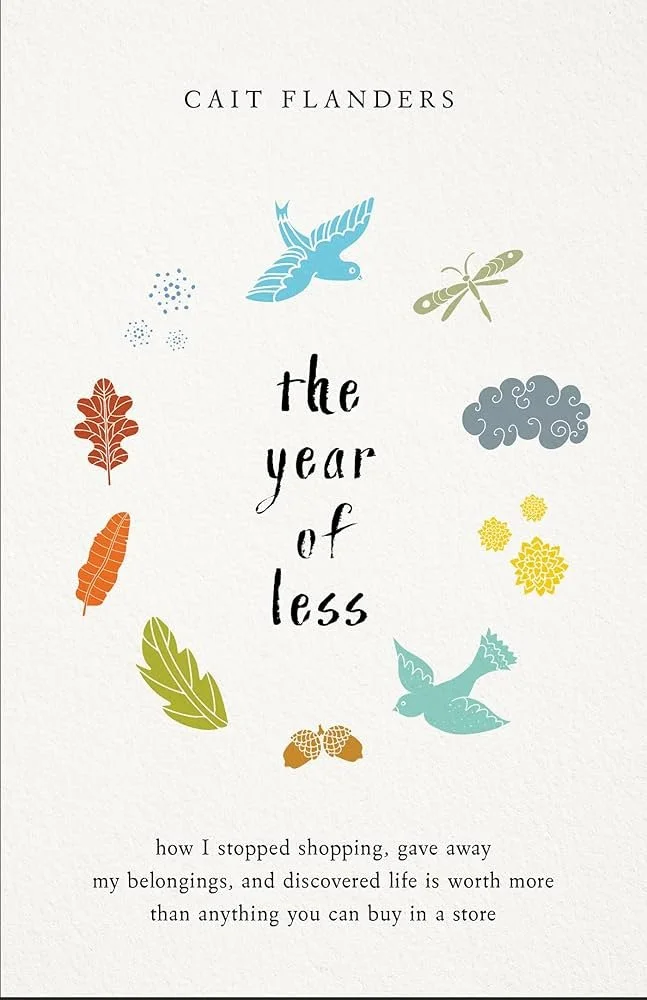
Do you feel overwhelmed by how much your things are taking over your life, space, money, and energy? If so, find inspiration and hope in The Year of Less by bestselling author Cait Flanders.

Cait takes us on her twelve-month journey to stop shopping and give away most of her belongings. During that year, she bought only items on her ‘sanctioned’ list of consumables, decluttered her apartment, let go of 70 percent of her belongings, learned to fix things, paid off debt, navigated family challenges, and worked through addictive behaviors and unhelpful habits.

Through personal stories and practical strategies, Cait guides you toward a more mindful life with less consumption and more time for what matters most to you. When working to reduce the things in her life, Cait said, “I had to let go of the stuff I wanted the ideal version of myself to use, and accept myself for who I really was.”

By the end of Cait’s year, after she took control of her life, released many of her belongings, saved money, and embarked on the next phase of her life, she said, “… all that remained was the real me. It wasn’t much, but it was enough. It was enough. I had enough. I was enough.”


2. Interesting Perspective – Time Clutter

Clutter isn’t only physical stuff that piles up. There’s also time or calendar clutter. Time clutter can show up as overcommitting, no downtime, double-booking appointments, consistently running late, being overstimulated, never having enough hours in the day, or feeling overwhelmed by your never-ending to-do list.

Artist and writer Jenny Odell coined the acronym NOSMO, “the necessity of sometimes missing out,” in her book How to Do Nothing: Resisting the Attention Economy. Saying “yes” to everything, ignoring your needs, and lacking boundaries can leave you feeling stressed, time-poor, and exhausted.

If you want to declutter your schedule, start editing. You don’t have to accept every invitation. Instead, focus on how you want your days to flow, how much time you need for transitions, and how much time you want for relaxation.

What can you let go of today?


3. Interesting Article – Aspirational Clutter  

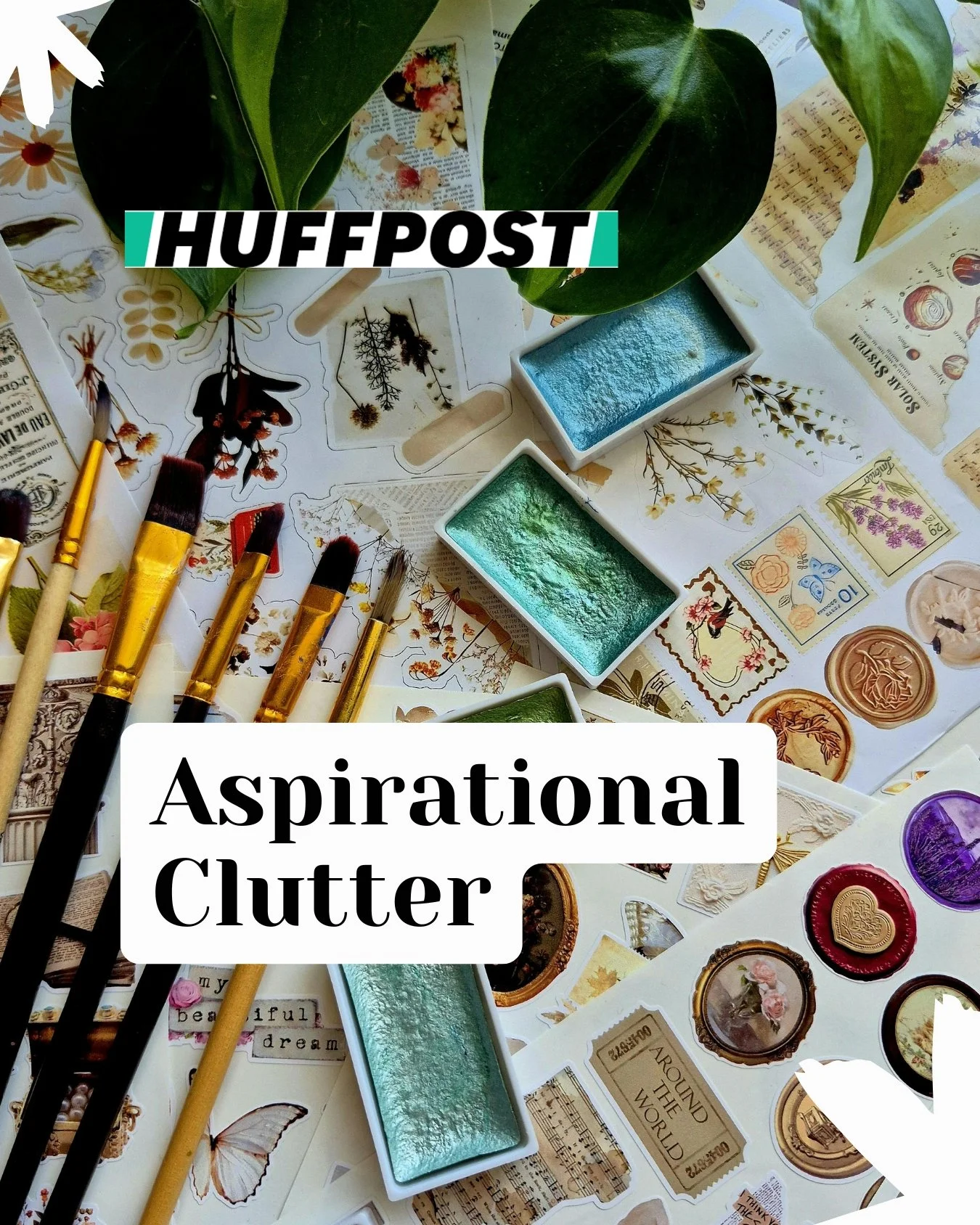
In the HuffPost article, “Do You Have ‘Aspirational Clutter’? Here’s What You Should Know,” professional organizers explain why this type of clutter can be especially challenging to let go of. Why is that? Aspirational clutter includes “objects tied to our hopes and dreams.”

Aspirational clutter can look like gym equipment that’s never used, clothing that might fit someday, an abundance of yarn you’ve stored for years for sweaters and blankets you want to make, or sets of dinnerware and serving pieces for parties you hope to host someday. There isn’t anything inherently problematic about any of these, except that they aren’t based on what your life is actually like. These things take up space and mental and emotional energy, often accompanied by guilt and ‘shoulds.’

Some other thoughts include:

  •  Seana Turner said, “Aspirational clutter refers to possessions we hold onto for our ‘future self,’ or an idealized future lifestyle.” 

  • Regina Lark said, “Letting it go can feel like giving up on a dream version of yourself, or that you’ve failed yourself in some way.”

All is not lost. The article offers excellent suggestions for managing aspirational clutter, such as

  • Give yourself permission to let go.

  • Recognize that priorities shift.

  • Determine how your space could be better used if you let go of aspirational clutter.

  • Focus on the benefits of letting go.

  • Acknowledge who you are now.


“It was enough. I had enough. I was enough.”
— Cait Flanders


4. Interesting Product – Organizing Clutter

The truth is, I don’t recommend organizing your clutter. Start by editing and decluttering. Why do that first? You’ll be left with only the things that remain, which are meaningful and useful. Second, the less you have, the easier it will be to organize and maintain.

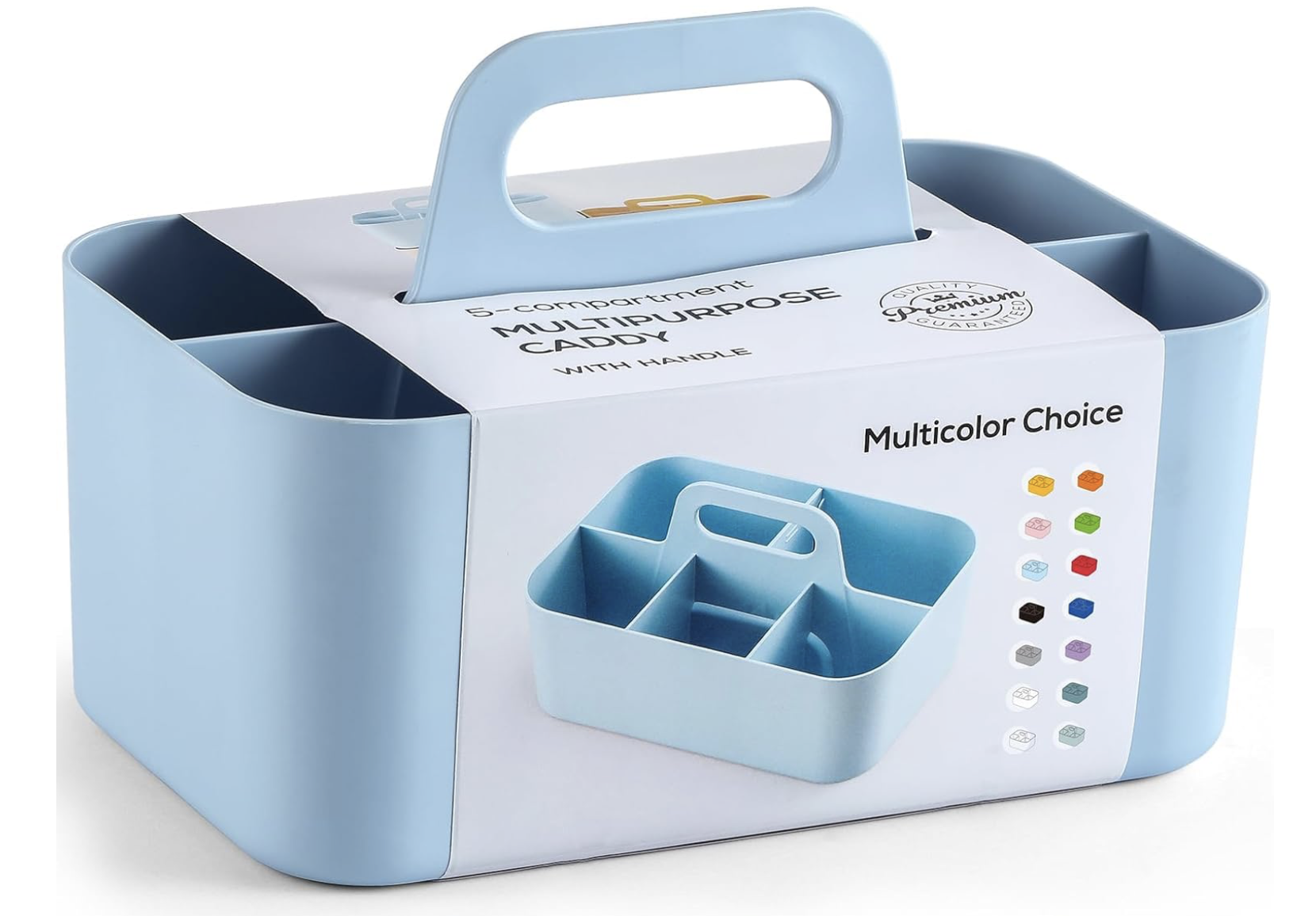
When it’s time to organize the ‘keepers,’ Aozita’s multi-use caddy organizer is a great choice. Use it to organize art materials, desk supplies, bathroom products, kitchen utensils, or school supplies. It’s portable, available in many colors, adjustable, and inexpensive.


5. Interesting Thought – Life Clutter

What comes to mind when you think of clutter? In the 30-plus years I’ve been helping people declutter and get organized, I’ve heard clutter described as overwhelming, heavy, chaotic, burdensome, bothersome, impossible, frustrating, constant, distracting, stressful, paralyzing, and noisy. Do any of those resonate with you?

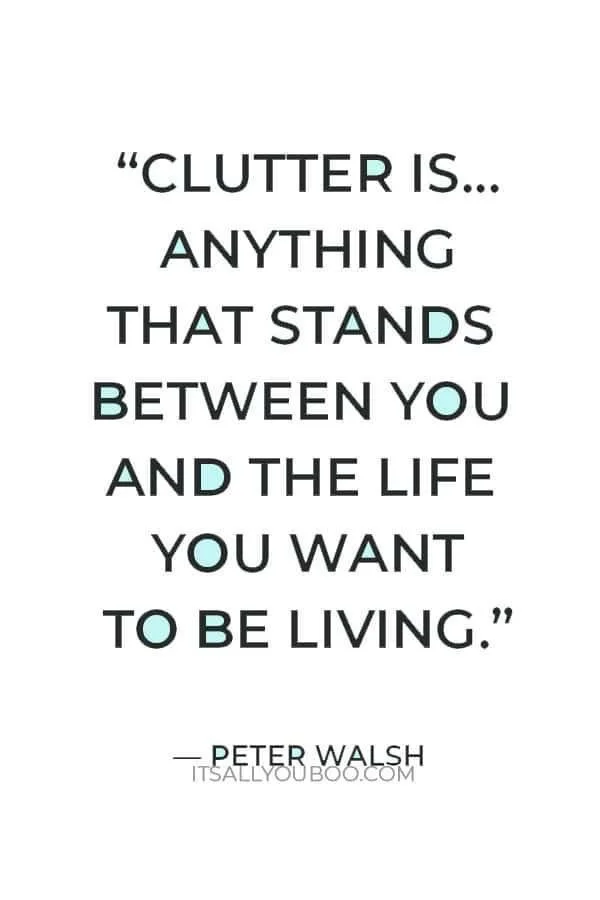
Many emotions are intertwined with your experience of clutter. As Peter Walsh says, “Clutter is…anything that stands between you and the life you want to be living.”

What would life be like if you unburdened yourself of the things weighing you down?


Which Clutter Ideas Work Best?

When clutter feels overwhelming and paralyzing, what will help? As I shared, there are many types of clutter and strategies to help you move forward.

Which of these discoveries resonates most with you? Do you have any decluttering resources or ideas to share? I’d love to hear your thoughts and invite you to join the conversation.


How Can I Help?

Do you feel overwhelmed, stuck, or disorganized? Is clutter preventing you from living the life you want? I’m here to help. Virtual organizing is an extraordinary path forward – Local feel with a global reach.

Let’s talk. I’m easy to reach.

Decluttering and getting organized are possible, especially with support.
 
 
3 Inspiring Time Questions That Will Help You Make Thoughtful Choices

The decisions you make relate to different points in time: the past, present, and future. Although you may not always view your choices this way, considering these time parameters can help reduce decision fatigue and create clarity surrounding decision-making.

Making thoughtful decisions can be challenging. Some common decision-making obstacles include:

  • Having too many choices

  • Lacking clarity

  • Feeling rushed

  • Asking unhelpful questions

  • Deciding when you’re exhausted

  • Being afraid to make the wrong choice

Any of these challenges can cause overwhelm, procrastination, or paralysis. However, when you ask questions based on time, it can cut through the noise, clarify your options, and motivate action.


1. Question to Let Go of the Past

“What’s weighing down your backpack that needs to be released?”
— James Clear

In a recent edition of James Clear’s 3-2-1 newsletter, he explained how “unfinished tasks” carried in your “invisible backpack” weigh you down. Many of these tasks are ones you will think you “should do,” but will probably never get around to.

Clear suggests two strategies. To “lighten the load: finish the task or let it go.” Applying a past timeframe to your decision about completing or releasing a task can help.

Consider these questions:

  • How long have you been worrying about and carrying these tasks with you?

  • Are past goals or commitments holding you back?

  • Which ones are no longer relevant, important, or necessary?


2. Question to Improve the Present

“What small change could you make to your surroundings that would steer you toward good habits and away from distractions?”
— James Clear

In another 3-2-1 newsletter, Clear encourages making tiny tweaks to your environment to support building better habits and reducing distractions. Only you know which habits you want to strengthen and which distractions are getting in your way.

Using the present timeframe idea to make proactive choices can be effective here. To do this, think about a current habit you want to build or improve. For example, let’s say you often run late to appointments. This is a source of stress for you and the people in your life. You want to be more punctual, yet find it challenging to get out of the house on time. Let’s say chronic lateness is caused by disorganization at home or your tendency to hyperfocus, which interrupts your sense of time.

Making a slight change in your environment to mitigate distractions and support a better habit could include things like:

  • Gather everything you need the night before

  • Wake up earlier to prepare

  • Use labeled timers to help with transitions and activation


3. Question to Imagine the Future

“What will my future-self thank me for doing now?”
— Stephanie Sarkis, PhD

In Ari Tuckman’s book The ADHD Productivity Manual, he shares one of his favorite questions posed by Stephanie Sarkis, PhD. She asks, “What will my future-self thank me for doing now?”

Let’s apply the future timeframe lens to this inquiry. While the question asks you to do something in the present, it’s in service of your future self.

Think about a goal you want to achieve. Maybe it’s organizing your legal and end-of-life papers, downsizing, or eating healthier. None of these will be realized in the future without taking action now.

Embrace the future construct. Visualize what ‘done’ will look and feel like. This will motivate you now to take action and accomplish the future results you desire.


How to Make More Thoughtful Choices?

Making wise decisions begins with asking good questions. Including a time perspective can clarify your choices. Do you consider the past, present, and future when making decisions? How does using a time construct affect you?

I’d love to hear your thoughts. I invite you to join the conversation.


How Can I Help?

Do you need support with organizing, letting go, or managing your time? I’d love to help! Virtual organizing is an extraordinary path forward – Local feel with a global reach.

Let’s talk. You can:

Organizing your time and space is possible, especially with support.